7 Things a Solo Player Needs to Know Before Wiping on a Rust Server
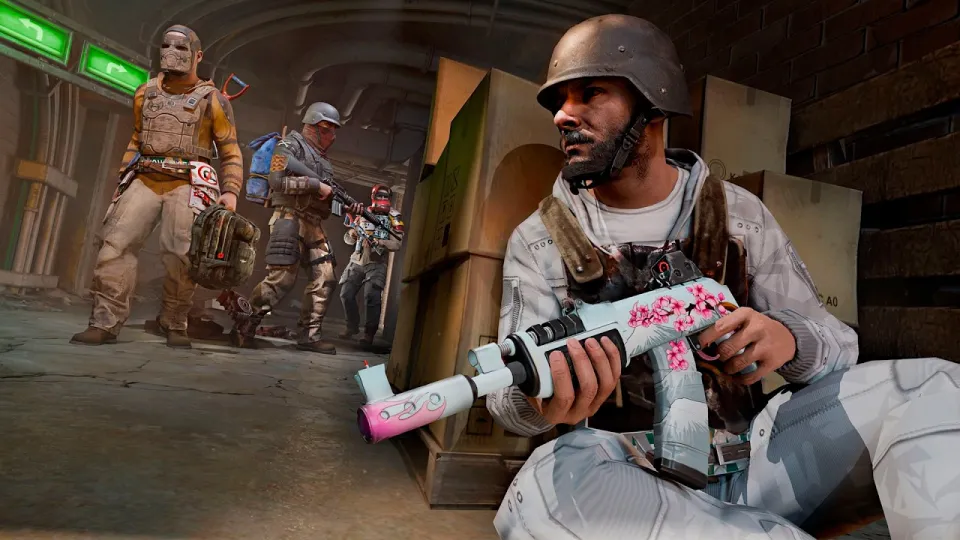
Video: THE SOLO MENACE – Rust
Want articles like this for your own video to promote it on YouTube and Google? Order them through the Telegram bot @sat_sit_bot. Articles with your video embedded are written and posted by the bot itself — on popular topical sites (no ads). Free trial — 50 articles.
Key takeaways
- Solo Rust means fighting groups of two to ten players with only your own farm, base and aim.
- A compact, multi-layered solo base with a trap entrance costs far less than a clan compound and is harder to raid profitably.
- Revenge raiding works best within the first hours after an attack, before the raiders move their loot.
- SPiiCY's solo wipe video was published on 24 August 2026 and is built around a trap-heavy base design.
- Tools like RustEasy and Hypertune are promoted in the video for base planning and higher FPS respectively.
Rust is a survival shooter where a solo player builds, farms and fights alone against groups that can field two, five or even ten people at once. Playing solo in Rust means accepting a numbers disadvantage and beating it with cheaper base design, smarter timing and revenge raids instead of open-field fights. The solo menace approach shown in SPiiCY's wipe video leans on exactly that: a compact trap base, fast progression and punishing anyone who tries to take your loot — and you can grab the RustEasy bonus and site access here before your next wipe.
What makes solo Rust different from clan play
Solo Rust removes every safety net a group has: no one farms for you while you defend, no one watches the base at 4 a.m., and no one trades gear after a bad fight. A clan of five can lose three players in a raid and still hold the core; a solo player loses the wipe with one bad death at the wrong moment.
The practical consequences are concrete:
- Every fight must be chosen — if you cannot win it in under ten seconds, disengage.
- Farming windows shrink, so a solo base should cost a fraction of a clan compound (typically one to two layers of honeycomb, not five).
- Progression is vertical, not horizontal: one good gun with ammo beats four guns you cannot feed.
- Information is the real advantage — knowing who lives nearby matters more than raw aim.
SPiiCY's solo runs are built around this logic, which is why the base in the video is small, layered and full of traps rather than impressive from the outside.
How a solo base should be designed
A solo base in Rust should be cheap enough to rebuild in one session and annoying enough that raiding it costs more than the loot inside. The design philosophy in SPiiCY's wipe video follows the classic trap-base school: a misleading entrance, shotgun traps and flame turrets behind corners, and a loot room that is never where the raider expects it.
Key elements worth copying:
- Bait entrance. A soft-looking door that leads into a kill corridor rather than the core.
- Vertical misdirection. Stairs and half-walls that make the layout unreadable from a raid tower.
- Turret coverage on the roof. Cheap to craft, and it punishes ladder raiders and door campers.
- A disposable front section. Losing the entry costs stone and wood, not your sulfur and guns.
- Small footprint. A 2x2 or 2x1 core with two honeycomb layers is enough for a solo wipe and keeps the upkeep low.
This is also why so many viewers ask for the base build itself — the layout is the strategy, not the gear.
Why revenge raids are a solo player's best weapon
A revenge raid is a counter-attack launched after someone raids or kills you, aimed at the attacker's base while their loot is still unsecured. For a solo player it converts a loss into a profitable fight, because the enemy has already spent explosives and is often careless afterward.
How to run it properly:
- Note the direction and timing of the attack, and check nearby bases within a short walk.
- Scout before you craft — confirm the raider's base is not a decoy or a clan outpost.
- Farm sulfur immediately; the window is usually a few hours, not days.
- Hit the weakest wall, not the front door, and bring enough explosives for the loot room plus one backup wall.
- Take the loot out first, then decide whether to seal or grief.
In the video the revenge arc is the spine of the wipe: losing a fight is treated as the start of the next one rather than the end of the run.
Typical questions from solo players
Solo players keep running into the same doubts, and the answers are usually simpler than expected. The most common ones concern server choice, base size and how to deal with zergs.
- Which servers suit solo play? Lower-population servers and servers with group caps reduce the number of ten-man zergs roaming, at the cost of quieter monuments.
- Should I build near a monument? Yes, but not on top of it — one grid square away keeps foot traffic predictable while giving quick access to scrap.
- How do I deal with a zerg at my door? Do not fight in the open. Use traps, doors and the base itself; a zerg that loses two players to a corridor usually leaves.
- Is a trap base toxic? It is efficient. Traps cost little, scale with the number of attackers and turn a 1v5 into a series of 1v1s.
- What about performance? Frame drops lose fights; SPiiCY promotes Hypertune for FPS gains, and viewers report large improvements after using it.
Progression priorities for a one-player wipe
The first day of a solo wipe should follow a fixed order so that nothing important is skipped. A workable sequence looks like this:
- Starter base and sleeping bag within the first 20–30 minutes.
- Furnace and metal tools before any PvP ambitions.
- Scrap runs for a tier-one workbench and basic blueprints.
- Shotgun traps and turrets as soon as the base has a core, since they defend while you farm.
- Tier-two weapons only after the base can survive a raid attempt.
- Explosives last — revenge raiding is a reward, not a starting plan.
Solo progression stalls when a player chases kills before the base is self-defending; the wipe in the video keeps the base ahead of the gear curve at every stage.
Links and tools from the video
All the resources referenced in the solo wipe breakdown are collected here:
- RustEasy bonus and site access
- SPiiCY's Patreon membership with base design tutorials
- Hypertune for better FPS
- Patreon join page
- SPiiCY's Discord
Final thoughts on playing Rust alone
Solo Rust is not a weaker version of clan play; it is a different discipline built on cheap bases, trap corridors and revenge raids. SPiiCY's solo menace wipe shows the pattern clearly: lose fights, learn the attacker's location, farm sulfur and come back before the loot disappears. The base design carries the run, the timing decides the profit, and patience beats aim over a full wipe. If you want to plan your own layout before the next wipe, start with the RustEasy bonus and tools and build something a group will regret raiding.
Source: THE SOLO MENACE – Rust · Markdown version
Questions & answers
Can you actually play Rust solo without a group?
Yes. Solo Rust is viable on most servers, especially those with group caps or lower population. The key adjustments are a cheaper, trap-heavy base, a strict rule of avoiding fights you cannot finish quickly, and using revenge raids to recover losses instead of open-field PvP.
What is the best base design for a solo Rust player?
A small core of 2x2 or 2x1 with two honeycomb layers, a misleading bait entrance, shotgun traps in corridors and turret coverage on the roof. The goal is to make the raid cost more than the loot inside, not to build something large enough to impress neighbours.
How do you deal with zergs as a solo player?
Never fight a group in the open. Pull them into your trap corridors, use doors and half-walls to break line of sight, and force individual fights. A zerg that loses a couple of players to traps usually abandons the raid rather than committing more gear.
How soon after being raided should you counter-raid?
As fast as possible — ideally within a few hours. The raiders have already spent explosives and are often still moving loot, so their base is at its most vulnerable. Farm sulfur immediately, scout the target first, and hit the weakest wall rather than the front entrance.